
From Diagnosis To Treatment: The Approach To The Oral Mass

Date:
11/04/2026
Time:
12:00 PM ET

$25 - $50 (Non-CE / CE Eligible)
Free for Premium Membership subscribers

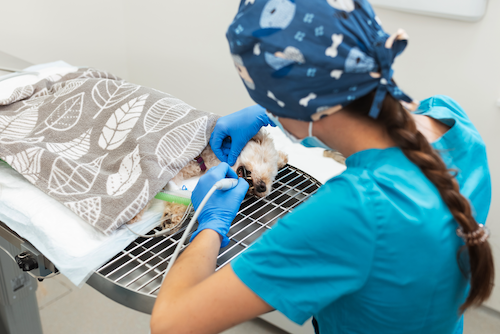
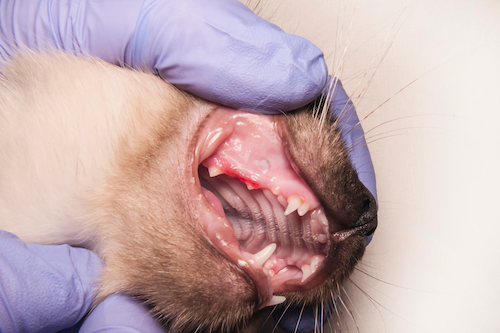
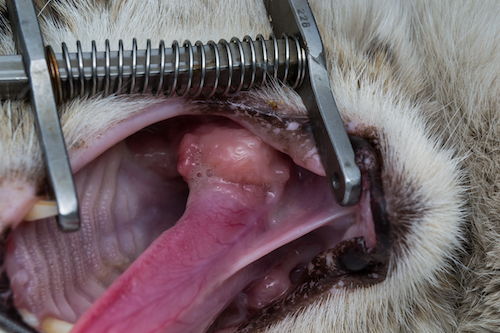
Oral masses in dogs and cats can develop in association with dental disease, oral inflammation, trauma, or cancer. These masses may arise from dental structures, the gingiva or oral mucosa, tongue, palate, maxilla, mandible, or tonsils.

Oral tumors are regarded as the fourth most common type of cancer in dogs and account for nearly 6% of all canine tumors. In cats, oral tumors account for upwards to 10% of feline tumors and are malignant in >90% of cases. Delayed recognition - particularly of malignant cancer - can complicate treatment and contribute to risk for metastasis. The biggest opportunity for the successful management of any oral mass lies in early detection and diagnosis.

This presentation will focus on key and practical aspects to working up the patient with an oral mass including:

  • Diagnostic options and considerations
  • Proper biopsy techniques and staging
  • Prognostic implications for each tumor type and stage
  • Treatment options for common oral masses and tumors
  • Important client communication and discussion points


To be available for viewing On Demand.
Pending approval for CE credit by AAVSB RACE and NY State.

You might also like

Non-surgical Treatment Options For Treating Mast Cell Tumors In Dogs

04/08/2026

Mast cell tumors are the most common skin cancer in dogs. While surgical removal is part of the stan...

Read More

Maxillofacial Trauma And Fundamentals In Oral Surgery

05/06/2026

To be available for viewing On Demand. Maxillofacial trauma in small animals commonly and typically...

Read More

Antibiotic Use In Veterinary Dentistry And Oral Surgery

09/02/2026

Dental procedures are commonly performed in the companion animal practice setting and, in recent yea...

Read More

Dental And Maxillofacial Conditions In Juvenile Patients

10/07/2026

This presentation will focus on the dental and maxillofacial conditions seen in juvenile patients an...

Read More